Greek traditions of writing about food and the symposium had a long and rich afterlife in the first to fifth centuries CE, in both Greco-Roman and early Christian culture. This book provides an account of the history of the table-talk tradition, derived from Plato's Symposium and other classical texts, focusing among other writers on Plutarch, Athenaeus, Methodius and Macrobius. It also deals with the representation of transgressive, degraded, eccentric types of eating and drinking in Greco-Roman and early Christian prose narrative texts, focusing especially on the Letters of Alciphron, the Greek and Roman novels, especially Apuleius, the Apocryphal Acts of the Apostles and the early saints' lives. It argues that writing about consumption and conversation continued to matter: these works communicated distinctive ideas about how to talk and how to think, distinctive models of the relationship between past and present, distinctive and often destabilising visions of identity and holiness.

Thumb

0 repins 0 comments

In "How To Be a Beer Tub Girl and Make Big Tips" Romana Van Lissum shows you how to profit in the competitive business of beer tub sales and gain steady customers. By learning a few simple tricks, customers will gravitate towards you and you'll easily convince them to buy whatever product you have sitting on ice. You will outshine many of your co-workers with your high beer sales and as a result end up with a tip-jar full of tips! Discover: The powerful chapter… A beer tub girl secret to making extra money quickly How to be a successful beer tub girl and make big money How to hold your paper money like a pro Sales strategies for the beer tub girl Getting hired for the job Securing a tip The "Art" of handing back change Ways you can protect yourself from losing money Basic beer tub girl safety How to deal with jealous women customers and have them love you Dealing With Problem CustomersAnd much, much more.

Thumb

0 repins 0 comments

You answer a call from a fourteen-year-old boy asking for someone to arrest his mother, who is smoking crack in their bathroom. You talk with him until the cops arrive, making sure there are no weapons around and learning that his favorite subject in school is lunch. Five minutes later, you have to deal with someone complaining about his neighbor's clarinet practice. What is it like to be on the receiving end of desperate calls for help. every day? Caroline Burau, a former newspaper reporter and nursing student who couldn't stand the sight of blood, takes a job as an emergency dispatcher because she likes helping people. But on-the-job training at the comm center proves to be more than she bargained for. As she adjusts to a daily life of catastrophe and comedy, domestics and drunks, cops and robbers, junk food and sarcasm, lost cats and suicides, she discovers that crisis can become routine, that coworkers can be mean-that she must continue to care and, at times, learn how to let go. Praise for Answering 911 "The day may come when I have to dial 911. I hope to God that the person who answers is Caroline Burau or someone like her. Funny, honest, and elegantly simple, this book left me with a sense of grace and hope." -Alison McGhee, author of Shadow Baby, Rainlight, Was It Beautiful? , and Falling Boy.

Thumb

0 repins 0 comments

Tom explains how America's autism services are broken. The current system is about to be overthrown by autistic teens who age out of the education system into a mental health service field that is inadequate to meet your child's social needs. Tom explains how America not being prepared to deal with the autistic population will bankrupt America and could end up killing your child with autism. Tom explains how our country will be facing a national emergency crisis within a few years unless politicians act and make changes to the current healthcare system. There are many things that people need in life that function as basic human needs. Food and shelter are at the top of the list of basic human needs that come to mind. Unless you are a parent to a child with autism or a person with autism you do not fully understand or comprehend that social needs are at the very top of that list right next to the need for food and shelter. Tom speaks of the importance of social skills coaching in this book and teaches you how you can better prepare your children for life as an adult on the autism spectrum. The goal is not necessarily to worry about your child's academic skills as they are often quite successful when it comes to education and working. The real obstacle and goal that you will be faced with is helping your children with social situations that arise in their lifetime. It is true that good social skills will help your child accent his or her excellent academic skills and working skills. Tom explains how the best social skills coaches are often coaches that no nothing about autism. The world does not adapt to us we as people with autism must adopt to the rest of the world. Therefore the goal should not be teaching a person with autism how to live with autism, it should be teaching them how to learn social skills. We are not teaching them about autism we are teaching them about social skills. Here is an excerpt from the book:"Every day I see autistic people who would be great i

Thumb

0 repins 0 comments

This is the true story of a loser…who learned how to win. Obese and suffering from severe sleep apnea, high blood pressure, and advanced gum disease, Michael Tamez was stuck in a bottomless pit of self-resentment. During his 13 year journey toward radiant health, things plummeted to new depths when he lost 5 family members within 18 months. Consequently, it was these impactful losses combined with being unhealthy and miserable that motivated him to start his health transformation. Along his journey, Tamez discovered his life's purpose: to help as many people as possible who are dealing with similar health and weight loss issues. Michael's mission is to empower people to experience their highest level of vibrant health. Through his powerful guide, readers will discover how to effectively transform their dysfunctional relationships with food, people, and situations. In this groundbreaking and unique approach to healthy and balanced living, you will uncover the root of your obstacles and create a personalized health-and-wellness plan that fits your body's specific wants and needs. Cutting through today's nutrition fads and conflicting opinions, holistic health coach and author Michael Tamez shares how he reversed his severe sleep apnea, high blood pressure, and advanced gum disease while overcoming obesity. This invaluable guide will encourage you to listen to your body and discover your own answers. As inspiring as it is insightful, Transformative Nutrition is a guide to whole-body wellness that not only addresses weight loss and reversing physical illness, but also gets to the underlying cause of your mental and emotional attachments to those physical issues, as well. As one of the most progressive lifestyle and wellness books written, Transformative Nutrition will inspire a permanent shift in the way you eat, think, feel, and live. No matter how impossible it may seem; you deserve, and can achieve, a healthy and balanced life. Discover the simple, practical steps that

Thumb

0 repins 0 comments

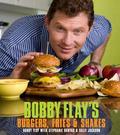
After a long day spent in one of his restaurants or taping a television show, what Bobby Flay craves more than anything else is … a crusty-on-the-outside, juicy-on-the-inside burger; a fistful of golden, crisp, salty fries; and a thick, icy milkshake. Given the grilling guru's affinity for bold flavors and signature twists on American favorites, it's no surprise that he has crafted the tastiest recipes ever for this ultimate food trio. Though he doesn't believe in messing with delicious certified Angus chuck (just salt and pepper on the patty-no "meatloaf" burgers here), Bobby loves adding flavorful relishes and condiments to elevate the classic burger. Once you've learned what goes into making that burger (from how to shape it so it cooks up perfectly to melting the cheese just so), go to town with Bobby's favorite combinations of additions. Try the Cheyenne Burger, which gets slathered with homemade barbecue sauce and then piled high with bacon and shoestring onion rings, or the Santa Fe Burger, topped with a blistered poblano, queso sauce, and crumbled blue corn tortilla chips. And although Bobby's personal preference is for beef, turkey can be substituted in any burger, and a handful of salmon and tuna burger recipes are included for those looking for leaner options. After you've mastered the burger, discover Bobby's secrets to cooking up the best French fries-whether they're fried, grilled, or oven roasted, or made from spuds, sweet potatoes, or even plantains-as well as homemade potato chips and onions rings. Wash it all down with a creamy shake, from Fresh Mint-Chocolate Speckled Milkshake to Blackberry Cheesecake Milkshake (or a spiked adult variation).With the opening of Bobby's Burger Palace in Lake Grove, New York, on Long Island-and with more locations to come-Bobby has achieved burger, fry, and shake bliss in the world. For outdoor summer bashes and casual weeknight meals that even the kids will get excited about, Bobby Flay's Burgers, Fries & Shakes wil

Thumb

0 repins 0 comments

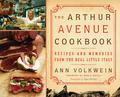
Arthur Avenue winds its way through the heart of the Bronx. Known to many as the "real Little Italy," the storied Arthur Avenue neighborhood has been home to a vibrantcommunity of Italian-Americans for over a hundred years. Today, this area continues to thrive as visitors and residents stopto buy a fresh, crusty loaf of bread; to enjoy a meal at Mario'sRestaurant; to dawdle for a while at Randazzo's raw bar on a warmsummer afternoon; or to hear Mike's Deli owner Michele Grecobelt out an aria from Rigoletto and spellbind his customers withtales of the Avenue's past. Now, for the first time, the residents of Arthur Avenue inviteyou to experience the magic of their kitchens and share theflavors of their family tables. Passed down through generations, their delicious recipes are time-tested, tried, and true - and readyfor any kitchen. They include: Sicilian Baked Ziti Yankee Stadium Big Boy (The Grecofamily's famous grinder that was rated one of the best in the cityby the New York Times) Osso Buco Olive Ciabatta Italian RicottaCheesecake Cannoli and more The Arthur Avenue Cookbook also invites you to savor the memoriesof the neighborhood's most colorful residents, restaurateurs, andshop owners, and those of their families - many of whom havelived in the neighborhood since it first came into being. MeetMario Borgatti, the noodle maker who has been there for morethan eighty-five years. Anthony Artuso, Sr, takes his bakerybusiness so seriously that he went seventeen years without avacation - in part, to ensure that each bride and groom got theperfect wedding cake. And Mike Rella, president of the ArthurAvenue Retail Market, remembers learning English by workingin a butcher shop, where he's now a partner with his uncle PeterServedio. This cookbook also provides a guide to the pastry shops, delis, restaurants, and other famous and lesser-known gems that line Arthur Avenue. Gorgeous photographs, extraordinary characters, and enticing dishes make The Arthur Ave.

Thumb

0 repins 0 comments

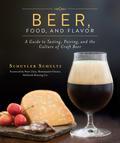
From lessons in cheese-and-brew pairings to sketching a menu for a multi-course, beer-pairing dinner party. [this] excellent, 300-page guide to beer and food is a steal." -Evan S. Benn, Esquire.com Yes, great beer can change your life," writes chef Schuyler Schultz in Beer, Food, and Flavor, an authoritative guide to exploring the diverse array of flavors found in craft beer-and the joys of pairing those flavors with great food to transform everyday meals into culinary events. Expanded and updated for this second edition, featuring new breweries and other recent developments on the world of craft beer, this beautifully illustrated book explores how craft beer can be integrated into the new American food movement, with an emphasis on local and sustainable production. As craft breweries and farm-to-table restaurants continue to gain popularity across the country, this book offers delicious combinations of the best beers and delectable meals and deserts. Armed with the precise tasting techniques and pairing strategies offered inside, participating in the growing craft beer community is now easier than ever. Beer, Food, and Flavor will enable you to learn about the top craft breweries in your region, seek out new beer styles and specialty brews with confidence, create innovative menus, and pair craft beer with fine food, whether at home or while dining out.

Thumb

0 repins 0 comments

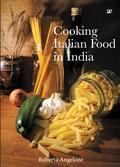
Chef Roberta has lived in India for seventeen years, working in restaurants in Manali where she quickly became the stuff of legend amongst travellers to the region. The Italian food that she serves is light and healthy, and what make her dishes so special are the use of local ingredients and her understanding of the Indian palate, which she so successfully combines with her own culinary upbringing in Naples, where spice and fresh ingredients play a huge role. Now, in Cooking Italian Food in India, Roberta has put together the recipes that make her restaurant such a success. The book combines a range of appetisers, soups, sauces, main dishes and desserts. It also includes her tips on how to use herbs, choosing the right pasta for a sauce, and the best wine to pair with your dish. A fabulous, easy-to-follow guide to making Italian food in India.

Thumb

0 repins 0 comments

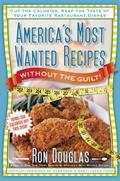
From the New York Times bestselling author of America's Most Wanted Recipes comes more copycat recipes from your family's favorite restaurants-with fewer calories! Ron Douglas has wowed home cooks across the country by uncovering the best recipes from hundreds of popular restaurants, including Applebee's, California Pizza Kitchen, Chili's, Olive Garden, P.F. Chang's, and T.G.I. Friday's. America's Most Wanted Recipes Without the Guilt once again features delicious restaurant meals that can be enjoyed at home. But with the help of registered dietician and nutrition expert Mary M. Franz, Ron has created more than 150 amazing reduced-calorie versions. Take Bahama Breeze's Jamaican Jerk Grilled Chicken, which usually contains approximately 960 calories. By using boneless, skinless chicken breasts, the entire family can enjoy generous, flavorful half-pound servings and save 590 calories. Or how about Dave and Buster's Steak Fajita Salad? A restaurant portion contains a whopping 1,408 calories per serving, but Ron's home-cooked version has 489. And for dessert? Macaroni Grill's Reese's Peanut Butter Cake has 635 calories per slice. Home cooks can easily trim that calorie count down to 435. Ron will show you how! Each recipe includes nutritional details, the number of calories you will save, and easy tips on how to prepare your favorite restaurant food without feeling the guilt. The book also features a section on restaurant alternatives, as well as a nutritional guide detailing the overall dos and don'ts when it comes to healthy eating. Experience the pleasure and satisfaction of cooking fun, delicious food for your family while also keeping them fit! Watch your wallet get fat and your tummy get flat!

Thumb

0 repins 0 comments

The ugly rumours that you hear about being a student or starting a new job and moving into a flat-share are all true. You have to co-habit with strangers, cook and eat together or around each other and inevitably have to deal with social problems when one of the group doesnt pull his weight. This book has dozens of crafty ways of getting everything resolved so that the community lives in harmony and understanding. It starts at the beginning with shopping secrets and takes you all the way through to quality eating and a happy household.

Thumb

0 repins 0 comments

Teeth are amazing - the product of half a billion years of evolution. They provide fuel for the body by breaking apart other living things; and they must do it again and again over a lifetime without themselves being broken in the process. This means that plants and animals have developed tough or hard tissues for protection, and teeth have evolved ways to sharpen or strengthen themselves to overcome those defences. And just as different jobs require different tools, animals with different diets have different shaped teeth to deal with the variety of foods that they eat. In this Very Short Introduction, Peter S. Ungar, an award-winning author and leading scientist, presents the story of teeth. Ungar outlines the key concepts, including insights into the origin of teeth and their evolution. Considering why teeth are important, he describes how they are made, and how they work, including their fundamental importance in the fossil record. Ungar finishes with a review of mammal teeth, looking at how they evolved and how recent changes to our diet are now affecting dental health. ABOUT THE SERIES: The Very Short Introductions series from Oxford University Press contains hundreds of titles in almost every subject area. These pocket-sized books are the perfect way to get ahead in a new subject quickly. Our expert authors combine facts, analysis, perspective, new ideas, and enthusiasm to make interesting and challenging topics highly readable.

Thumb

0 repins 0 comments

Mini Farming describes a holistic approach to small-area farming that will show you how to produce 85 percent of an average family's food on just a quarter acre-and earn $10,000 in cash annually while spending less than half the time that an ordinary job would require. Even if you have never been a farmer or a gardener, this book covers everything you need to know to get started: buying and saving seeds, starting seedlings, establishing raised beds, soil fertility practices, composting, dealing with pest and disease problems, crop rotation, farm planning, and much more. Because self-suf ciency is the objective, subjects such as raising backyard chickens and home canning are also covered along with numerous methods for keeping costs down and production high. Materials, tools, and techniques are detailed with photographs, tables, diagrams, and illustrations.

Thumb

0 repins 0 comments

As of January 2012, the world held seven billion people, up from five billion just twenty years before. The middle class in China, India, and Brazil is just taking off, which means those countries will desire the same resources Americans currently take for granted. If the rest of the world attempts to consume resources at the same rate as the United States, we would require five Earths. We already know that dozens of toxic chemicals can be found in our bodies of water, in the food we eat, in the air we breathe. Species are disappearing a thousand times faster than normal, and the planet has not seen such a burst of extinction in sixty-five million years, since the dinosaurs disappeared. Islands and nations are already building seawalls to keep out the rising oceans. By the middle of the twenty-first century, it is predicted that fourteen states will experience high or extreme water shortages due to global warming. Since 1982, America has paved, built on, and developed thirty-five million once-rural acres, as much land as is encompassed in New York state. Bruce Katz, vice president and director of the Brookings Institution's Metropolitan Policy Program, notes that between 2007 and 2030, "we will develop another 213 billion square feet of homes, retail facilities, office buildings, and other structures. That's double the amount of space in the United States today." We are living in extraordinary times and are facing enormous challenges and tragedies on a vast scale. We are being increasingly buffeted by high-powered hurricanes, tsunamis, earthquakes, mudslides, wildfires, and acts of international terrorism, while dealing with increasing economic insecurity and growing inequality. A system that cannot deliver the well-being of people and the planet is in big trouble. We can no longer put our heads in the sand. Bold action is necessary, and if the government is too gridlocked or uninterested, then we-as individuals, communities, corporations, and nonprofits-must. My st

Thumb

0 repins 0 comments

Environmental justice as studied in a variety of disciplines is most often associated with redressing disproportionate exposure to pollution, contamination, and toxic sites. In Neighborhood as Refuge, Isabelle Anguelovski takes a broader view of environmental justice, examining wide-ranging comprehensive efforts at neighborhood environmental revitalization that include parks, urban agriculture, fresh food markets, playgrounds, housing, and waste management. She investigates and compares three minority, low-income neighborhoods that organized to improve environmental quality and livability: Casc Antic, in Barcelona; Dudley, in the Roxbury section of Boston; and Cayo Hueso, in Havana. Despite the differing histories and political contexts of these three communities, Anguelovski finds similar patterns of activism. She shows that behind successful revitalization efforts is what she calls "bottom to bottom" networking, powered by broad coalitions of residents, community organizations, architects, artists, funders, political leaders, and at times environmental advocacy groups. Anguelovski also describes how, over time, environmental projects provide psychological benefits, serving as a way to heal a marginalized and environmentally traumatized urban neighborhood. They encourage a sense of rootedness and of attachment to place, creating safe havens that offer residents a space for recovery. They also help to bolster residents' ability to deal with the negative dynamics of discrimination and provide spaces for broader political struggles including gentrification. Drawing on the cases of Barcelona, Boston, and Havana, Anguelovski presents a new holistic framework for understanding environmental justice action in cities, with the right to a healthy community environment at its core.

Thumb

0 repins 0 comments

Senior management and leaders within companies embroiled in crisis, have learned the hard way what happens when the unthinkable becomes a reality - an accident results in death or injury; a failed company takeover causes share prices to plummet; or toxic food, medicines and drinks leads to mass hysteria. All attention focuses on the guilty parties - and the media can be expected to make this crisis headline news within a matter of hours. No company or organisation is immune to crisis. Everyday, organisations run the risk of being affected. However, a crisis does not necessarily have to turn into a disaster for the business or organisation involved. Crisis Communication provides readers with advice on how to limit damage effectively by acting quickly and positively. Moreover, it explains how to turn a crisis into an opportunity by communicating efficiently, through the use of successful public relations strategies. Providing information on accountability; crisis communication planning; building your corporate image; natural disasters; accidents; financial crises; legal issues; corporate re-organisation; food crises; dealing with negative press; media training; and risk managers, Crisis Communication is a thorough guide to help prepare your organisation for any future calamities. Including international case studies, crisis communication checklists and sample crisis preparation documents, this book ensures that you are fully prepared for the absolute necessity of proactive crisis communication and proper planning, should you be confronted with a crisis.

Thumb

0 repins 0 comments

Hospitality Management is a career and life reference for both seasoned executives and new hires. This book positions associates to work comfortably in a global environment and to interpret the cultural expectations of their guests. The author, Lyn Pont, PhD, is a motivational public speaker and educator. She is the president and founder of Manners for Business, Inc. In Hospitality Management she discusses service, relationships, integrity, communications, personal image, creativity, the bottom line, and so much more. As a story teller, Dr. Pont weaves into the narrative valuable industry history and tales that support a culture of service and personal excellence. Competition in the hospitality industry is nonstop, and brands are looking for associates who can handle themselves flawlessly both on and off the job. Modern hospitality professionals are correctly concerned about representing their organizations, and themselves, with polish, politeness, confidence, and authority. Hospitality Management leads the way by showcasing the soft skills that you can use to amaze your guests with your outstanding attention to customer care. If you believe in remarkable service and have a passion for this great industry, then Hospitality Management will delight you with a treasure chest of hands-on, practical information that will assist you throughout your career. "Pont's book is a must-read for anyone considering a career in hospitality." -Isadore Sharp, chairman and founder, Four Seasons Hotels and Resorts "A refreshing, thorough, and necessary read for anyone dealing with the intricacies of the industry.A great training tool for the hospitality industry." -Arthur J. Torno, vice president, American Airlines, Inc. "Leave it to business etiquette expert Dr. Lyn Pont to author the most comprehensive guide to providing your guests with the memorable hospitality experience they deserve." -Martin Yang, master chef, author, food consultant, cooking show and travelogue host

Thumb

0 repins 0 comments

Quicklets: Your Reading Sidekick! ABOUT THE BOOK IIn researching this book, Upton Sinclair spent several weeks undercover working in the meatpacking industry. His book, The Jungle, which was published in 1906, was written as a composite of figures and fates he encountered. He was called a muckraker in dredging up the truth about the meatpacking industry, and would expose many other social injustices in nearly 90 other books. The awareness he brought, reaching readers emotions in this book are held partially responsible for the passing of The Pure Food and Drug Act and The Meat Inspection Act by President Theodore Roosevelt and Congress. MEET THE AUTHOR Rebecca Meredith received her degree in Comparative Literature from Reed College. She has since written lifestyle articles, literary reviews, children's stories and travel accounts. Her interests are wide, and include mythology, food, sociology, philosophy, travel, arts, history, biography, architecture, design, illustration, interview style, new journalism, lifestyle, collaboration, personal development, storytelling, teaching, psychology, and advertising. EXCERPT FROM THE BOOK The Jungle traces the story of a family from Lithuania who emigrated to the United States seeking wealth. They come as a couple to be married, an elderly father, a strong large woman, an aunt with several children, some of whom are crippled, and a single, middle-aged man. Together they pool their money and set out together to navigate a foreign country without any English, personal connections, or know-how in this new society. The book can be divided into three parts, which Ive titled Dreams and Disillusionment (1), Deal with the Devil: Fend for Yourself (2), and Rebirth of Hope Through Socialism (3). In the first section, the family arrives in Ellis Island in New York, makes their way to Chicago, and then step-by-step deals with every possible wrong turn and misfortune as they try to build their new lives and survive. The reader

Thumb

0 repins 0 comments

In a world facing chronic and increasing shortages in food crops and natural resources, visionary leadership in agriculture becomes more and more critical for building and maintaining a sustainable future. It is of paramount importance that the dynamic and challenging evolution in agriculture over the last century and a half be met today with imaginative leadership in virtually all aspects of activities and organizations involved. Leadership in Agriculture: Case Studies for a New Generation focuses on key characteristics and elements of leadership. Using case studies from research, industry, education, administration, and extension services, the authors present real-world circumstances ranging from natural disasters to major restructuring that demanded problem solving, new initiatives, consensus, and organizational commitment. Drawing on their own experiences and covering topics as diverse as closing facilities, mounting a national research initiative, reinventing a major corporation, and dealing with invasive termites, the studies contain examples of both good and bad outcomes and tie back to the stated leadership principles and qualities. TABLE OF CONTENTS: Preface vii Acknowledgments xiii Leadership in the Agricultural Environment 1Character: The Bedrock of Leaders and Leadership 13Case StudiesHow Leadership Can Make a Difference 371. Facing Down Nature: How a Regional Lab Survived Hurricane Katrina (Addressing Physical Crises) 382. Exerting Ag Leadership in Distributed Geographic Locations (Coordinating Dispersed Units within One Organization) 493. Closing and Relocating Facilities and Terminating Programs (Leadership Challenges with Organizational Restructuring) 594. National Research Initiative: Creating a Shared Leadership Vision (Bringing about a New Solution) 735. Battling Formosan Subterranean Termites (Forging a New Approach) 816. Gathering of the Agricultural Clan (Bringing Leaders Together without Central Authority) 907. Monsanto: How One Company Saw the.

Thumb

0 repins 0 comments

Set out in two main parts, this book illustrates concepts and practices covering the wide range of forms of engagement that universities can have with their regions. A number of the chapters deal with the challenging issues of our times, which have become the core concerns of politicians, funders of research, academics and civil society, including climate change, food security, youth unemployment, indigineity, health and demography, and frames them within the contexts of rurality and the economic crisis. The collection provides variously theoretical contexts for understanding the university's role in engagement, tools for analysis, and many concrete examples of practice. All of these elements are important not only for universities, but also their regions and their multiple stakeholders. The first part considers the role of higher education (HE) in regional and community development, with special consideration for remote or isolated regions. Examples of best practice from local initiatives, which are often the result of bringing together individuals from very diverse backgrounds and disciplines, are presented, and include the lifelong learning strategies of universities as they pertain to the development of a sustainable economy and issues of rurality. The second part considers the role of HE in a time of crisis. It builds on the recurrent and topical subject of crisis - economic, social and political - but also that related to climatic and environmental events. The chapters in this theme examine, from various angles, questions covering the roles and responsibilities of universities and the results of their research, independence and funding, elite and popular education, responsibility and awareness-raising. This book will be of interest to: individuals in universities developing outreach activity with regional stakeholders across a range of discipline specialisms, including staff in continuing education and outreach settings; those in both the public and private.

Thumb

0 repins 0 comments

Next Page