As India celebrated the sixtieth anniversary of its independence, much praise was lavished on its emergence as a major player on the global stage. Its economic transformation and geopolitical significance as a nuclear power are matched by its globally resonant cultural resources. This book explores India's rich popular culture. Chapters provide illuminating insights into various aspects of the social, cultural, economic and political realities of contemporary globalised India. Structured thematically and drawing on a broad range of academic disciplines, the book deals with critical issues including:- Film, television and TV soaps- Folk theatre, Mahabharata-Ramayana, myths, performance, ideology and religious nationalism - Music, dance and fashion - Comics, cartoons, photographs, posters and advertising - Cyberculture and the software industry - Indian feminisms- Sports and tourism - Food culture Offering comprehensive coverage of the emerging discipline of popular culture in India, this book is essential reading for courses on Indian popular culture and a useful resource for more general courses in the field of cultural studies, media studies, history, literary studies and communication studies.

Thumb

0 repins 0 comments

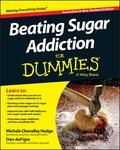
A step-by-step guide to kicking the sugar habit and living a healthier, happier life With many Australians and New Zealanders drawing as much as a third of their total caloric intake from sugar and enriched flour, sugar addiction is a rapidly growing problem. Global sugar consumption has tripled in just the last 50 years and the result has been increasing levels of obesity, diabetes, and other health problems. Even worse, the more sugar we eat, the more sugar our bodies want, leading to a dangerous cycle of sugar addiction. Beating Sugar Addiction For Dummies, Australian and New Zealand Edition, presents a simple, step-based program that gradually weans you off sugar in large amounts to let you live a healthier and fitter life. The book explains the hidden sources of sugar we consume, the effect that eating too much of it has on us, and how to cut down on sugar without sacrificing the foods we love. Plus, you'll find healthy, simple meal plans and recipes that include little or no sugar. Features practical guidance and a simple plan for cutting down on unhealthy levels of sugar consumption Includes simple meal plans and 50 great-tasting recipes with little or no sugar Offers tips on dealing with sugar cravings and what to stock in a low-sugar pantry No one wants to give up the sweet things in life, but too much sugar is a recipe for ill health and addiction. Beating Sugar Addiction For Dummies gives you the information and advice you need to break the cycle and find a healthy balance.

Thumb

0 repins 0 comments

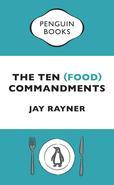
Britain's culinary Moses brings us the new foodie rules to live by, celebrating what and how we eat The Ten Commandments may have had a lot going for them, but they don't offer those of us located in the 21st Century much in the way of guidance when it comes to our relationship with our food. And Lord knows we need it. Enter our new culinary Moses, the legendary restaurant critic Jay Rayner, with a new set of hand-tooled commandments for this food-obsessed age. He deals once and for all with questions like whether it is ever okay to covet thy neighbour's oxen (it is), eating with your hands (very important indeed) and if you should cut off the fat (no). Combining reportage and anecdotes with recipes worthy of adoration, Jay Rayner brings us the new foodie rules to live by.

Thumb

0 repins 0 comments

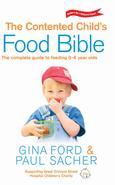
Raising children is not easy and often feeding one's child can be one of the hardest aspects of parenting; there is now clear evidence stating that what children eat can affect their future physical and intellectual development The media is full of information on nutrition and diet but knowing what to apply to your own child can be difficult. In The Contented Child's Food Bible, top maternity nurse, Gina Ford and leading UK nutritionist, Paul Sacher offer practical and down-to-earth advice for parents struggling with the many difficulties of feeding; ranging from the benefits of breast feeding to overcoming snacking and getting your child to eat fruit and vegetables every day. Clearly organised by age group and packed full of case studies and handy hints, this accessible guide is all a parent will need to raise a happy and healthy child. Contents include: -What foods are key to particular stages of development -How to deal with allergie -Is my child growing at the correct rate? -How to deal with fussy eaters -What vitamins and minerals should my child take?

Thumb

0 repins 0 comments

This paper explains general aspects of E-Commerce with groceries and focuses on potential customers as well as on factors influencing the suppliers. Besides, it deals with recent characteristics of Germany's food industry, hence concentrates on the actual demand and supply at both the retail sector and the online trading sector. Subsequently, possible effects of E-Commerce with groceries on the food market are described and summarized. Diese Arbeit befasst sich mit den wichtigsten Aspekten von E-Commerce mit Lebensmitteln, mit potentiellen Zielgruppen, und mit verschiedenen Faktoren, die die Service-Anbieter beeinflussen. Des Weiteren wird die aktuelle Situation der deutschen Lebensmittelindustrie beschrieben - mit Bezug auf 'traditionelle' Einzelhändler sowie Online-Händler. SchlieBlich werden mögliche Auswirkungen auf die Nahrungsmittelindustrie analysiert und zusammengefasst.

Thumb

0 repins 0 comments

Antioxidants and Functional Components in Aquatic Foods compiles for the first time the past and present research done on pro and antioxidants in aquatic animals. The book addresses an area of extreme importance for aquatic foods, since lipid oxidation leads to such a large number of quality problems. Many of these problems are also seen in other muscle based foods, but are exaggerated in aquatic foods, so the book's contents will be of great use and interest to other fields. Written by top researchers in the field, the book offers not only general overviews of lipid oxidation in aquatic foods and aquatic food pro and antioxidant systems, but also covers specifics and gives the latest information on the key pro and anti-oxidants derived from aquatic foods as well as some of the most recent and innovative means to control lipid oxidations in aquatic foods and food systems with fish oils. Coverage includes the latest research on the effects aquatic foods have on oxidative stress in the human body, an area of great interest recently. Additionally, a chapter is devoted to the latest techniques to measure antioxidative potential of aquatic foods, an area still in development and one very important to the antioxidant research community. Antioxidants and Functional Components in Aquatic Foods will be of great interest to the food science, medical, biochemical and pharmaceutical fields for professionals who deal with aquatic food products, muscle foods products (beef, pork, poultry etc), lipid oxidation, and pro-oxidant and antioxidant systems.

Thumb

0 repins 0 comments

Soil-The Basis of All Terrestrial Life Ancient civilizations and cultures-Mayan, Aztec, Mesopotamian, Indus, and Yangtze-were built on good soils, surviving only as long as soils had the capacity to support them. In the twenty-first century, productive soil is still the engine of economic development and essential to human well-being. The quality of our soil resources, however, is threatened by human-induced and natural perturbations. World Soil Resources and Food Security takes an in-depth look at the availability and status of soil resources in the context of the growing demands of an increasing world population and rising expectations of living standards. This timely reference presents current information on the soil resources available for food production. Presenting innovative strategies for soil and water management, it discusses how to maintain or improve the world's soil resources in order to increase food production. With the majority of the world's 1.02 billion food-insecure people concentrated in South Asia and sub-Saharan Africa, several chapters focus on soil resources in these regions. Contributions from renowned scientists deal with topics including: Global food situations World soil resources Soil resources of humid Asia and their acidification Soil resources of South Asia Properties and management of Vertisols Use of radioisotopic techniques in soil management The potential of rain-fed agriculture in the semiarid tropics The status of land degradation Nutrient balance in sub-Saharan Africa The book concludes by outlining the need for further research to generate credible data on soil resources and degradation. This volume is a useful resource for those interested in the state of the soils of the world in relation to food security and environmental quality.

Thumb

0 repins 0 comments

Major questions surround who, how, and by what means should the interests of government, the private sector, or consumers hold authority and powers over decisions concerning the production and consumption of foods. This book examines the development of food policy and regulation following the BSE (mad cow disease) crisis of the late 1990s, and traces the changing relationships between three key sets of actors: private interests, such as the corporate retailers; public regulators, such as the EU directorates and UK agencies; and consumer groups at EU and national levels. The authors explore how these interests deal with the conundrum of continuing to stimulate a corporately organised and increasingly globalised food system at the same time as creating a public and consumer-based legitimate framework for it. The analysis develops a new model and synthesis of food policy and regulation which reassesses these public/private sector responsibilities with new evidence and theoretical insights.

Thumb

0 repins 0 comments

All nutritionists, dietitians and health professionals interested in or dealing with those with food allergy should have a copy of this book.

Thumb

0 repins 0 comments

This fascinating and insightful volume introduces readers to food as a window to the social and cultural history and geography of Singapore. It demonstrates how the food we consume, the ways in which we acquire and prepare it, the company we keep as we cook and eat, and our preferences and practices are all revealing of a larger economic, social, cultural and political world, both historically and in contemporary times. Readers will be captivated by chapters that deal with the intersections of food and ethnicity, gender and class, food hybridity, innovations and creativity, heritage and change, globalization and localization, and more. This is a must-read for anyone interested in Singapore culture and society. This fascinating and insightful volume introduces readers to food as a window to the social and cultural history and geography of Singapore. It demonstrates how the food we consume, the ways in which we acquire and prepare it, the company we keep as we cook and eat, and our preferences and practices are all revealing of a larger economic, social, cultural and political world, both historically and in contemporary times. Readers will be captivated by chapters that deal with the intersections of food and ethnicity, gender and class, food hybridity, innovations and creativity, heritage and change, globalization and localization, and more. This is a must-read for anyone interested in Singapore culture and society. Readership: General public and a must-read for anyone interested in Singapore culture and society. Key Features: There is currently no single volume that addresses the history and geography of food in Singapore in the post-colonial years; this is the first of its kind The volume provides a critical analysis of food within a larger economic, social and cultural context, and is not merely a celebratory narrative It brings together some of the key scholars on food in Singapore

Thumb

0 repins 0 comments

This title covers a full range of dealing with people, beginning with the changes in the food industry that necessitate treating Human Resources in a scientific manner, to highlights of labor laws and regulations. The author draws on his 39 years of experience as a University Professor, as well as 40 plus years as an Association Manager. While this book is written expressly with food processing and related firms in mind, the tenets espoused in the book may be applicable to all industries.

Thumb

0 repins 0 comments

Raw food is energizing people around the world. Eating raw no longer means consuming carrot sticks and boring fruit plates-it's a whole new cuisine and lifestyle. Featuring the same fun and passionate style that has made hers one of the most popular raw food blogs, chef Kristen Suzanne takes readers step by step through the raw food lifestyle: equipping the kitchen, grocery shopping, eating out, dealing with setbacks (and family members!), improving digestion, and losing weight, until eating raw becomes second nature. Plus, the book features 50 fabulous recipes-no cooking required-for treats like sprouted protein bars, lasagna, soups, brownies, and even cheesecake! Accessible, fun, and packed with information not available anywhere else, this volume is a must-have for anyone who truly cares about health and nutrition.

Thumb

0 repins 0 comments

The Good Parenting Food Guide offers straightforward advice for how to encourage children to develop a healthy, unproblematic approach to eating. Explores key aspects of children's eating behavior, including how children learn to like food, the role of food in their life and how habits are formed and can be changed Discusses common problems with children's diets, including picky eating, under-eating, overeating, obesity, eating disorders and how to deal with a child who is critical of how they look Turns current research and data into practical tips Filled with practical solutions, take home points, drawings, and photos Mumsnet Blue Badge Award Winner

Thumb

0 repins 0 comments

Climate Resilient Agriculture for Ensuring Food Security comprehensively deals with important aspects of climate resilient agriculture for food security using adaptation and mitigation measures. Climatic changes and increasing climatic variability are likely to aggravate the problem of future food security by exerting pressure on agriculture. For the past few decades, the gaseous composition of the earth's atmosphere has been undergoing significant changes, largely through increased emissions from the energy, industry and agriculture sectors; widespread deforestation as well as fast changes in land use and land management practices. Agriculture and food systems must improve and ensure food security, and to do so they need to adapt to climate change and natural resource pressures, and contribute to mitigating climate change. Climate-resilient agriculture contributes to sustainably increasing agricultural productivity and incomes, adapting and building resilience to climate change and reducing and/or eliminating greenhouse gas emissions where possible. The information on climate resilient agriculture for ensuring food security is widely scattered. There is currently no other book that comprehensively and exclusively deals with the above aspects of agriculture and focuses on ensuring food security. This volume is divided into fourteen chapters, which include the Introduction, Causes of Climate Change, Agriculture as a Source of Greenhouse Gases, Impacts of Climate Change on Agriculture, Regional Impacts on Climate Change, Impacts on Crop Protection, Impacts on Insect and Mite Pests, Impacts on Plant Pathogens, Impacts on Nematode Pests, Impacts on Weeds, Impacts on Integrated Pest Management, Climate Change Adaptation, Climate Change Mitigation, and A Road Map Ahead. The book is extensively illustrated with excellent photographs, which enhance the quality of publication. It is clearly written, using easy-to-understand language. It also provides adoptable recommendation

Thumb

0 repins 0 comments

Improving Water and Nutrient Use Efficiency in Food Production Systems provides professionals, students, and policy makers with an in-depth view of various aspects of water and nutrient us in crop production. The book covers topics related to global economic, political, and social issues related to food production and distribution, describes various strategies and mechanisms that increase water and nutrient use efficiency, and review te curren situation and potential improvements in major food-producing systems on each continent. The book also deals with problems experienced by developed countries separtaely from problems facing developing countries. Improving Water and Nutrient Use Efficiency emphasizes judicious water and nutrient management which is aimed at maximising water and nutrient utilisation in the agricultural landscape, and minimising undesirable nutrient losses to the environment.

Thumb

0 repins 0 comments

A core subject in food Science, food chemistry is the study of the chemical composition, processes and interactions of all biological and non-biological components of foods. This book is an English language translation of the author's Czech-language food chemistry textbook. The first half of the book contains an introductory chapter and six chapters dealing with main macro- and micronutrients, and the essential nutritional factors that determine the nutritional and energy value of food raw materials and foods. It includes chapters devoted to amino acids, peptides and proteins, fats and other lipids, carbohydrates, vitamins, mineral substances and water. The second half of the book deals with compounds responsible for odour, taste and colour that determine the sensory quality of food materials and foods. It further includes chapters devoted to antinutritional, toxic and other biologically active substances, food additives and contaminants. Students, teachers and food technologists will find this book an essential reference on detailed information about the changes and reactions that occur during food processing and storage and possibilities how to manage them. Nutritionists and those who are interested in healthy nutrition will find information about nutrients, novel foods, organic foods, nutraceuticals, dietary supplements, antinutritional factors, food additives and contaminants.

Thumb

0 repins 0 comments

The trace determination of pesticides continues to be a topic for analytical chemists working in research centres, government and universities. With four chapters devoted to chromatography-mass spectrometry methods, readers are able to understand the analytical basis, technical characteristics and possibilities to evaluate pesticides in food by gas chromatography (GC) and liquid chromatography (LC) mass spectrometry. The book also provides a well-defined and critical compilation of the sample treatment and clean-up procedures, as well as injection techniques applied in GC and LC food analysis. Finally the book deals with aspects related to analytical quality control requirements for pesticide residues, in addition to pesticide regulation aspects* Contains specific chapters devoted to chromatography-mass spectrometry methods* Provides a well-defined and critical compilation of the sample treatment and clean-up procedures* Contains aspects related to analytical quality control requirements for pesticide residues

Thumb

0 repins 0 comments

Highlighting international approaches; the book details strategies to minimize contamination, residue monitoring programs, and classes of drugs and chemicals that pose contaminant risk in livestock. Focuses attention on drug and chemical residues in edible animal products Covers novel computational, statistical, and mathematical strategies for dealing with chemical exposures in food animals Details major drug classes used in food animal production and their residue risks Highlights efforts at harmonizing and the differences among areas like US, EU, Canada, Australia, South America, China, and Asia, where the issue of chemical exposures has significant impact on livestock products Ties veterinary clinical practice and the USE of these drugs in food animals with regulatory standards and mitigation practices

Thumb

0 repins 0 comments

Small Portions" is a story that comes in… small portions. In precisely 111 little parts - AND a recipe. To explore the many facets of modern life, the author has chosen the literary form of vignettes, those short impressionistic scenes that focus on one moment or give a trenchant impression about a character, idea, setting, object. Dieter Moitzi tells his own story in poignant scenes that vary from a snapshot of his christening in the early 70s to his father's death in a skiing accident at the beginning of the 2000s. It's small things he talks about, those many small things that compose a life - his life. He recalls the painful process of coming out of the closet, relates in funny detail the first encounters and love stories of his happy-go-lucky twenties, delves with analytical distance into aspects and turning points of two long-time relationships. He takes you by the hand and guides you through the streets of Paris, the city he lives in. He writes about food and the internet and his travel experiences in Greece, Morocco, Vienna, Tunisia, London… In just so many carefully chosen words, sometimes poetic, sometimes blunt, but always with a good deal of wry and self-deprecating humour, the author succeeds in creating little universes with each story. Each one stands alone, yet when you link them together, another story takes shape. The story of a life, the sketch of a person, the mirror of a time. Our time.

Thumb

0 repins 0 comments

Desertion during the Civil War, originally published in 1928, remains the only book-length treatment of its subject. Ella Lonn examines the causes and consequences of desertion from both the Northern and Southern armies. Drawing on official war records, she notes that one in seven enlisted Union soldiers and one in nine Confederate soldiers deserted. Lonn discusses many reasons for desertion common to both armies, among them lack of such necessities as food, clothing, and equipment; weariness and discouragement; non-commitment and resentment of coercion; and worry about loved ones at home. Some Confederate deserters turned outlaw, joining ruffian bands in the South. Peculiar to the North was the evil of bounty-jumping. Captured deserters generally were not shot or hanged because manpower was so precious. Moving beyond means of dealing with absconders, Lonn considers the effects of their action. Absenteeism from the ranks cost the North victories and prolonged the war even as the South was increasingly hurt by defections. This book makes vivid a human phenomenon produced by a tragic time-Print ed."[The book is] better calculated to convey a sense of the sickening realities of the Civil War than many volumes of military history."-American Historical Review"An excellent piece of historical research."-Journal of Negro History

Thumb

0 repins 0 comments

Next Page